
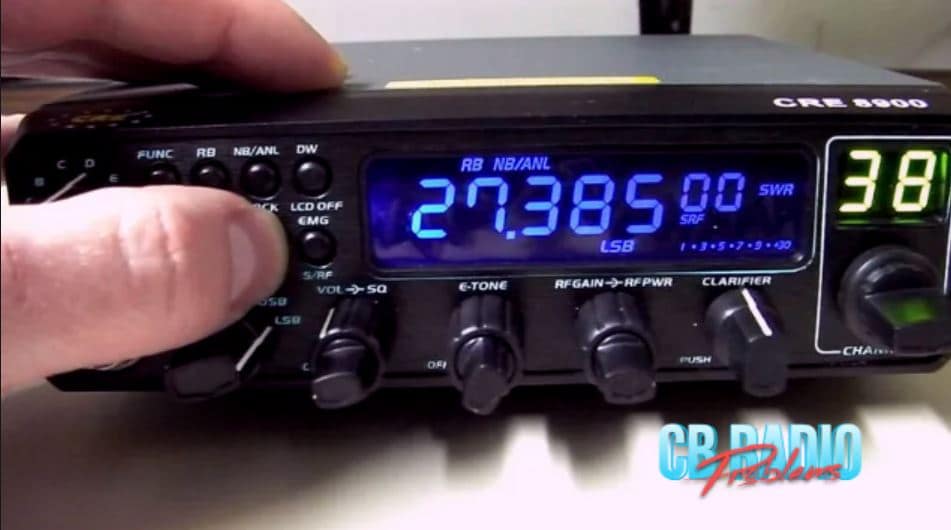
The majority of CB radio problems are typically not related to the radios themselves but rather to problems with the receiving cable, coaxial link, or installation. While this article does touch on some radio-related topics, it is important to emphasize that troubleshooting and resolving problems often involve addressing issues with the antenna, coaxial cable, or grounding rather than blaming the radio itself.

Table of Contents
Common Causes of CB Radio with its preventions:
There are 15 most common problems of CB radios with their prevention are listed below:
1. Inadequate Signal Strength:
CB radios have a limited range, typically a few miles, and weak or inconsistent signals may result from obstructions like buildings, hills, or trees, atmospheric conditions, or problems with the antenna.
Prevention:
- Enhance Signal Strength: Opt for a high-quality CB radio that provides sufficient power output for stronger signals.
- Proper Antenna Installation: Ensure the antenna is correctly installed and finely tuned to optimize performance.
- Consider Upgrading the Antenna: Upgrade to a larger or more efficient antenna to improve signal reception.
- Minimize Obstructions: Place the antenna in an elevated position to reduce obstructions and enhance signal transmission.
2. Interference Challenges:
Interference from other electronic devices or neighboring CB radios using the same channel can cause disruptions such as static, background noise, or overlapping transmissions, hampering effective communication.
Prevention:
- Select Less Crowded Channels: Choose less crowded channels to minimize the chances of interference from other CB radios.
- Install Noise Filters: Reduce electrical interference by installing noise filters or suppressors.
- Keep Electronic Devices Away: Keep other electronic devices away from the CB radio and its antenna to minimize interference.
- External Antenna Placement: Position the external antenna away from potential sources of interference for better signal quality.
3. Antenna Problems:
The antenna’s correct installation, condition, and tuning are crucial for optimal CB radio performance. Improper installation, damage, or incorrect tuning can lead to weak signals, reception issues, or difficulties in transmitting effectively.
Prevention:
- Follow Manufacturer’s Instructions: Follow the manufacturer’s guidelines for proper antenna installation.
- Secure Mounting and Grounding: Ensure the antenna is securely mounted and properly grounded.
- Regular Maintenance: Regularly inspect the antenna for damage or wear and repair or replace it as needed.
- Adjust Length and Tuning: Adjust the antenna’s length and tuning according to the manufacturer’s recommendations for optimal performance.
4. Electrical Interference:
CB radios are susceptible to electrical noise from nearby devices or the vehicle’s electrical system, resulting in buzzing, humming, or static noise that hinders clear communication.
Prevention:
- Proper Grounding: Ensure proper grounding of the CB radio and antenna system to minimize electrical interference.
- Great-Quality Cables and Connections: To cut down on electrical noise, use shielded cables and connections of a high caliber.
- Install Noise Filters: Install noise filters or suppressors on power and audio lines to minimize electrical interference.
- Separate Power Source: Keep the CB radio’s power source separate from other electronic devices to prevent interference.
5. Equipment Malfunctions:
Similar to any electronic device, CB radios can experience technical issues or malfunctions. Problems with the microphone, controls, display, or internal components may arise, necessitating troubleshooting or professional repair.
Prevention:
- Follow Manufacturer’s Guidelines: Adhere to the manufacturer’s guidelines for operating and maintaining the CB radio.
- Regular Inspection and Cleaning: Regularly inspect and clean the radio’s components, including the microphone and controls.
- Professional Assistance: Consult a professional technician for repairs or replacements if persistent issues occur.
6. Compliance with Regulations:
CB radios are subject to specific rules and regulations, including power limitations, channel restrictions, and licensing requirements.
Prevention:
- Know Regulations: Familiarize yourself with the regulations governing CB radio usage in your area.
- Obtain Required Licenses or Permits: Obtain any necessary licenses or permits and ensure compliance with power and channel restrictions.
- Stay Updated: Keep updated with any changes in regulations that may impact CB radio usage.
7. Communication Range:
CB radios are specifically designed for communication over short to medium distances, typically up to a few miles. Yet, a number of factors, including geography, barriers like hills, trees, and buildings, as well as the atmosphere, might affect the effective range. Considering these limitations and adjusting expectations accordingly when using CB radios for long-distance communication is important.
Prevention:
- Understand Range Limitations: Understand the limitations of the CB radio range and adjust expectations accordingly.
- Consider Higher-Powered CB Radio or Alternatives: Use a higher-powered CB radio or explore alternative communication options for longer distances.
8. Impact of Weather Conditions:
Inclement weather can significantly affect the performance of CB radios. Adverse conditions like heavy rain, snow, or storms can result in signal degradation, increased interference, and reduced transmission range. It is crucial to consider these weather-related issues and how they could affect CB radio communication, especially during severe weather occurrences.
Prevention:
- Stay Informed: Stay informed about weather conditions and plan accordingly for potential communication challenges.
- Anticipate Reduced Range and Interference: Be aware that adverse weather conditions can cause reduced range and increased interference.
- Consider Alternatives: During severe weather conditions, consider using alternative communication methods.
9. Coaxial Cable Troubles:
The coaxial cable serves as the vital link between the CB radio and the antenna, facilitating the transmission of radio signals. However, issues with the coaxial cable can lead to problems. Signal loss, diminished transmission power, or poor reception can occur due to cable damage, faulty connections, or using incorrect cable length. Proper installation and regular maintenance of the coaxial cable are crucial to ensure optimal CB radio performance.
Prevention:
- Install High-Quality Cables and Connectors: Install high-quality coaxial cables and connectors specifically designed for CB radio use.
- Regular Inspection and Maintenance: Regularly inspect and maintain the cables for any damage or wear.
- Appropriate Cable Length: Verify that the cable length is appropriate for your setup and avoid excessive cable bends.
10. Power Supply Challenges:
CB radios rely on a stable and reliable power supply to function effectively. Insufficient power supply, such as a malfunctioning battery or inadequate wiring, can result in intermittent operation, reduced transmission power, or even complete failure. Regularly checking the power connections and using proper wiring techniques can help prevent power supply issues from impacting CB radio performance.
Prevention:
- Stable Power Source: Ensure a stable power source, such as a fully charged battery or proper electrical wiring, for the CB radio.
- Check Power Connections: Regularly check the power connections for any loose or corroded connections.
- Voltage Regulator or Surge Protector: Consider using a voltage regulator or surge protector to protect against power fluctuations.
11. Adjusting Radio Settings:
CB radios offer various settings that directly impact performance, including modulation, squelch, and RF gain. Incorrectly configuring these settings can lead to problems such as distorted audio, excessive noise, or weak signals.
Prevention:
- Consult User Manual: Refer to the user manual to correctly set modulation, squelch, and other radio settings.
- Experiment with Settings: Experiment with different settings to find the optimal balance for your specific environment.
- Seek Guidance: Seek assistance from experienced CB radio users or professionals for guidance on optimal settings.
12. User-related Issues:
User error can contribute to CB radio problems. Mishandling controls, such as improper volume or squelch adjustments, using incorrect channels, or speaking too far away from the microphone, can result in poor communication quality or difficulties in receiving transmissions. It is crucial for users to have a solid understanding of how to properly operate the CB radio functions to minimize these issues and ensure effective communication.
Prevention:
- Familiarize Yourself: Familiarize yourself with the operation of the CB radio and its controls.
- Use Correct Channels and Etiquette: Use the correct channels and follow proper radio etiquette for effective communication.
- Speak Clearly and at an Appropriate Distance: Speak clearly and maintain an appropriate distance from the microphone for optimal audio quality.
13. Impact of Environmental Obstructions:
Physical obstructions present in the environment, such as tall buildings, mountains, dense forests, or urban areas with high RF interference, can impede the propagation of CB radio signals. These obstructions can lead to signal loss, reduced range, or increased interference, making it challenging to communicate effectively. Users should be aware of their surroundings and anticipate potential obstacles that may hinder CB radio performance. Positioning the antenna in an elevated and unobstructed location can help mitigate these challenges.
Prevention:
- Choose Location Carefully: Choose a location for your CB radio setup that minimizes potential obstructions.
- Optimal Antenna Placement: Place the antenna in a high and unobstructed location to maximize signal propagation.
- Consider Directional Antenna: If possible, use a directional antenna to minimize the impact of obstructions
14. Dealing with Radio Frequency Interference (RFI):
CB radios are vulnerable to interference from nearby electronic devices or sources. Common culprits include power lines, appliances, fluorescent lights, and vehicle ignition systems, which can introduce unwanted noise, static, or disruptions in communication. Minimizing proximity to these devices and implementing proper grounding techniques can significantly reduce RFI and improve CB radio performance.
Prevention:
- Proper Grounding: Ensure the CB radio and antenna system is properly grounded to minimize RFI.
- High-Quality Shielded Cables: Use high-quality shielded coaxial cables to reduce the impact of external interference.
- Install Ferrite Beads or Chokes: Install ferrite beads or chokes on cables near the radio and antenna connections to suppress RFI.
- Avoid Interference Sources: Keep the CB radio and antenna system away from potential sources of interference, such as power lines, appliances, and ignition systems.
- RFI Filters or Suppressors: Consider using RFI filters or suppressors to minimize interference from specific sources.
15. External Factors:
External factors beyond direct control, such as solar flares or electromagnetic disturbances, can have an impact on CB radio performance. These factors can result in temporary disruptions, increased atmospheric noise, or reduced signal propagation. While such events are relatively infrequent, it’s important to acknowledge their potential influence on CB radio operations during those specific periods. Staying informed about potential external factors and being prepared to adapt or seek alternative communication methods can help mitigate any adverse effects on CB radio performance.
Prevention:
- Stay Informed: Stay informed about the solar activity or electromagnetic disturbances that may impact CB radio communication.
- Adjust Communication: During periods of known disturbances, consider alternative communication methods or delay non-essential CB radio use.
- Equipment Maintenance: Keep your CB radio equipment well-maintained to ensure optimal performance when external factors are not affecting communication.
Points to keep in mind:
It’s important to note that while these preventive measures can help mitigate potential issues, some factors, such as severe weather or external disturbances, may still impact CB radio performance. Adapting to these situations and considering alternative communication methods when necessary can be beneficial.
For further information please visit: