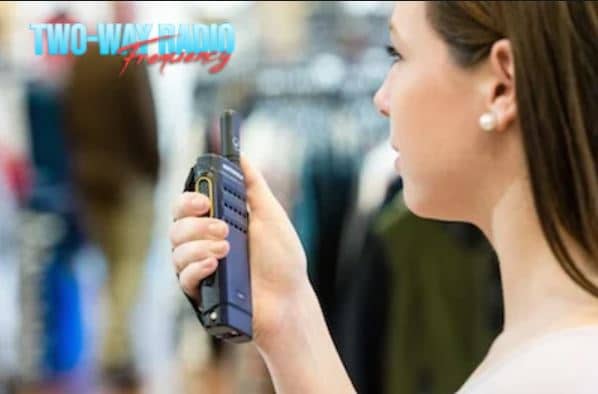
Two-way radios are essential for effective and dependable communication. Among the wide variety of options available, Citizen Band (CB) radios have gained significant popularity. To optimize your radio experience, it is essential to grasp the concept of two-way radio frequency. In this comprehensive guide, we will explore the world of two-way radio frequency. Let’s delve into this fascinating realm and gain a deeper understanding of CB radio frequency.
Table of Contents
Understanding Two-Way Radio Frequency:
Before delving into CB radios, it is crucial to grasp the fundamentals of two-way radio frequency. Two-way radio frequency refers to the electromagnetic wavelengths used for communication between devices. These frequencies enable the transmission and reception of audio signals, facilitating effective communication over various distances.
The Significance of Proper Frequency Management:
Efficient frequency management is paramount for optimal CB radio performance. By allocating frequencies appropriately, interference can be minimized, ensuring seamless communication. Proper frequency allocation also enables users to avoid disruptions from other radio services, enhancing their overall communication experience.
CB Radio Frequency: A Key Player:
CB radios operate within a specific frequency band designated by regulatory authorities. The 27 MHz frequency range in the US is reserved for CB radio usage by the Federal Communications Commission (FCC). Within this band, 40 channels are available, each with a specific frequency, enabling CB radio users to communicate within a designated range.
How CB radio works:
Two-way radios operate by converting audio signals into radio waves by using transmitters, receivers, antennas, and user interfaces these devices enabled bidirectional communication. The transmitter transforms the audio signals onto a carrier wave, which is subsequently broadcast via the antenna when the push-to-talk (PTT) button is pressed. The antenna collects radio waves on the receiving end, which are demodulated by the receiver to retrieve the original audio signals. Power output, frequency, antenna quality, geography, and ambient variables all influence the range of two-way radios. Understanding how these radios work enables users to communicate efficiently in a variety of situations.
1. A Closer Look at CB Radio Channels:
CB radio channels are vital for organizing communication and mitigating interference. Each channel is assigned a unique frequency, and understanding the channel allocation is essential for effective communication. General communication commonly takes place on channels 1 to 22, while channels 23 to 40 are reserved for specific purposes, including emergency communication and data transmission.
2. Selecting the Optimal Radio Frequency:
Choosing the right CB radio frequency depends on several factors, such as local regulations, channel availability, and communication objectives. Considering these factors when selecting a frequency ensures seamless and interference-free communication, enhancing overall performance.
3. Top CB Radios with Advanced Two-Way Frequencies:
To make the most of your CB radio communication, it’s essential to choose a high-quality radio with advanced two-way frequency capabilities. Here are a few top-rated options:
a. Cobra 29 LX MAX Smart CB Radio:
This feature-rich CB radio offers advanced frequency tuning capabilities and a large, easy-to-read display, making it a popular choice among enthusiasts.

b. Uniden PRO520XL CB Radio:
Known for its durability and reliability, this CB radio offers excellent two-way frequency performance and user-friendly controls, making it suitable for both beginners and experienced users.

c. Midland 75-822 Portable CB Radio:
This compact and versatile CB radio features multiple frequency options, including the ability to switch between CB and NOAA weather channels, making it ideal for outdoor enthusiasts.
The maximum range of CB radio.

4. The maximum range of CB radio:
The frequency range of the two-way radios and intercoms is typically 150MHz to 900MHz. Radio waves in these frequencies, unlike AM radio waves, travel in straight lines and, as a general rule, cannot pass over the horizon or behind solid barriers. Since these radio waves operate at various frequencies, a radio receiver can be tuned to pick up particular signals.
Radio waves are referred to as a series of cycles when we discuss them. Each cycle represents a complete waveform. The number of cycles that occur in a second, or Hertz (Hz), is used to express the frequency of a radio wave. If a radio, for instance, transmits at a frequency of 100 Hz, that indicates that 100 full cycles of the radio wave are sent per second.
Communication requires the capacity to set a radio receiver to a specific frequency. By selecting the appropriate frequency, users can ensure that their radio receives and decodes the desired signal while ignoring others.
Different applications and radio services operate on specific frequency bands. For instance, Citizen Band (CB) radios operate within the 27 MHz frequency range, while other radio services may utilize higher or lower frequencies depending on their intended use.
The concept of frequency is fundamental for operating two-way radios effectively. It enables users to tune their radios to the correct frequency, ensuring clear and reliable communication. Moreover, being aware of the specific frequencies used by different radio services allows users to avoid interference and operate within the appropriate regulatory guidelines.
5. Best Practices for CB Radio Frequency Usage:
To optimize your CB radio experience, it’s essential to follow these best practices for frequency usage:
a. Conduct a Channel Check:
Before initiating communication, listen to the selected channel to ensure it is clear of ongoing conversations or interference.
b. Avoid Channel Dominance:
Limit your transmission time to avoid monopolizing the channel, allowing others to communicate effectively.
c. Practice Channel Etiquette:
Adhere to proper radio communication etiquette, using clear and concise language, avoiding unnecessary interruptions, and showing respect to other users.
d. Monitor for Emergencies:
Remain vigilant for emergency communications and be ready to assist if needed.
6. Future Advancements in CB Radio Frequency:
As technology progresses, CB radio frequency continues to evolve. Digital CB radios and expanded frequency bands are among the anticipated developments, offering improved communication capabilities and reduced interference.
ADVANTAGES:
- Seamless and immediate communication through the convenience of push-to-talk functionality.
- Extensive coverage range, enabling effective communication in remote areas with limited cellular network coverage.
- Economical solution without recurring charges or airtime fees, resulting in cost savings.
- Robust durability and reliability, ensuring uninterrupted communication in challenging environments.
- Efficient group communication and privacy features for seamless coordination and information sharing.
- Dedicated channels for interference-free communication, guaranteeing clear and reliable transmission.
- Enhanced safety and emergency response capabilities, facilitating prompt and coordinated actions.
- User-friendly design requiring minimal training, ensuring easy operation for all users.
- Scalable solution to accommodate expanding communication needs within organizations.
Real-Life Illustrations:
Here are some convincing examples of how two-way radios have been used successfully:
Building Sites:
Two-way radios in the construction sector provide smooth communication between project managers, supervisors, and employees across large and loud job sites. This fosters quick collaboration, improves safety protocols, and allows for prompt response in the event of an emergency or changing work conditions.
Event Management:
During concerts, sporting events, festivals, and conferences, event organizers rely on two-way radios to ensure seamless operations. Instant communication between event employees, security officers, and volunteers allows for efficient crowd management, quick response to incidents, and seamless task coordination.
Hospitality and tourism:
To ensure smooth communication between front desk employees, housekeeping, security, and maintenance teams, hotels, resorts, and cruise ships use two-way radios. This guarantees timely service, efficient service coordination, and higher levels of customer satisfaction.
Frequently Asked Questions:
Are two-way radios UHF or VHF?
Except for CB and Ham radios, the majority of two-way radios in use, today have a recurrence range that is somewhere between 130MHz and 900MHz. The two frequency bands that two-way radios most usually use are VHF (Very High Frequency 130-174 MHz) and UHF (Ultra High Frequency 400-520 MHz).
What are 2-way radio signals?
Rather than a transmission recipient, which just gets transmissions, a two-way radio is a radio handset (a radio that can both send and get radio waves) that is utilized for a bi-directional individual to the next discourse correspondence with different clients of practically identical radios.
What is the frequency of walkie-talkies?
There are some units that use the “Part 15” 900 MHz band as well as the “Part 15” 49 MHz band, which are shared with cordless phones, baby monitors, and similar devices; in the US at least, units in these bands do not. However, the majority of personal walkie-talkie traffic is in the 27 MHz and 400-500 MHz area of the UHF spectrum.
What is the range of 400 470 MHz in km?
5 Km
summary
To optimize your radio experience, it is essential to grasp the concept of two-way radio frequency. Let`s delve into this fascinating realm and gain a deeper understanding of CB radio frequency. Understanding Two-Way Radio Frequency: Two-way radio frequency refers to the electromagnetic wavelengths used for communication between devices. Efficient frequency management is paramount for optimal CB radio performance.
Proper frequency allocation also enables users to avoid disruptions from other radio services, enhancing their overall communication experience. CB radios operate within a specific frequency band designated by regulatory authorities. Within this band, 40 channels are available, each with a specific frequency, enabling CB radio users to communicate within a designated range. Two-way radios operate by converting audio signals into radio waves by using transmitters, receivers, antennas, and user interfaces these devices enabled bidirectional communication.